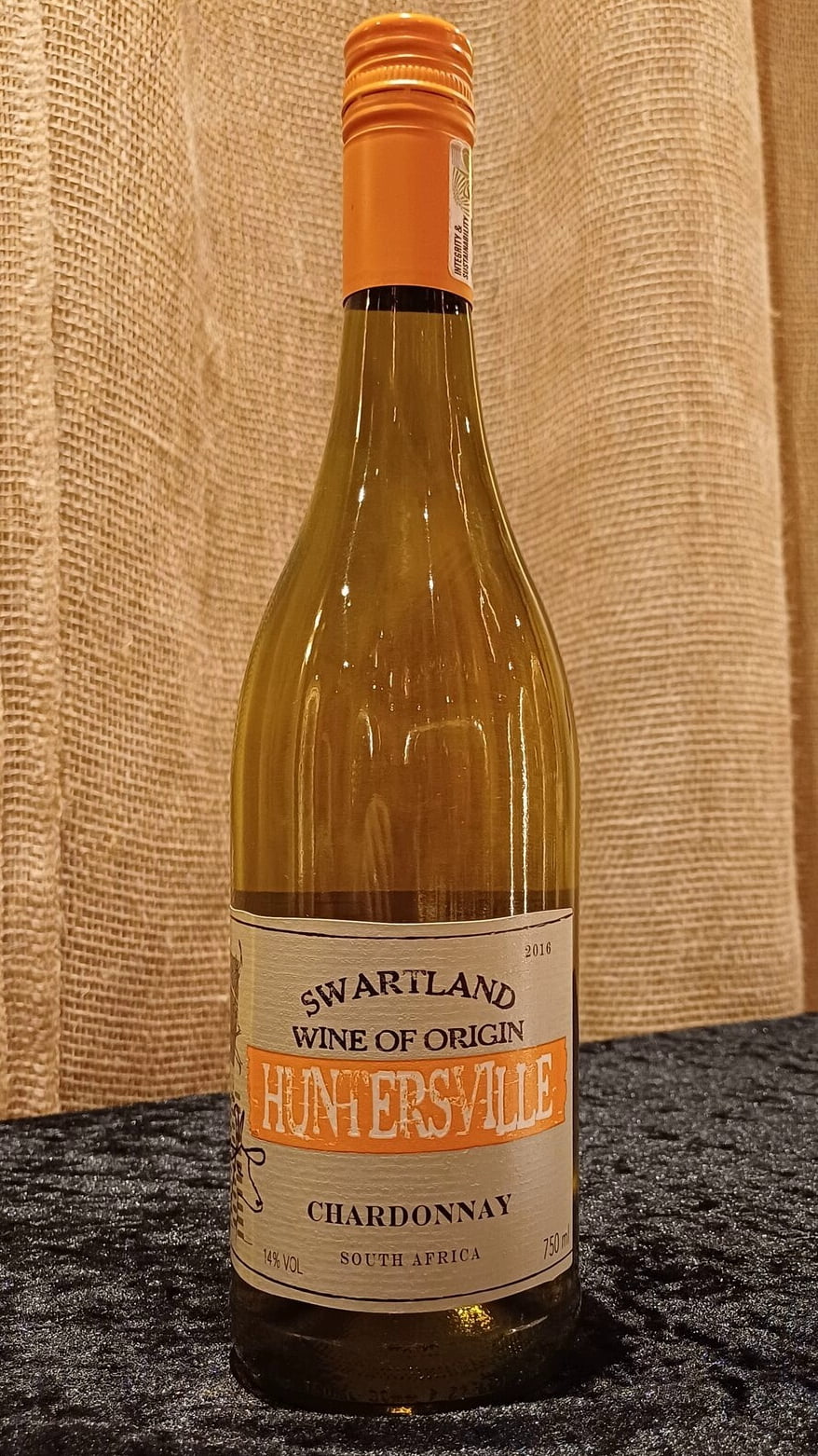
Swartland Huntersville Chardonnay 2016
A crisp and dry chardonnay. Whilst the bottle age has reduced the simple fruits, it has developed some subtle complexity.
Producer
Country
Region
Appellation
Vintage
2016
Wine Type
Grape(s)
Dietary
Alcohol %
Bottle Size
Location
The Swartland Huntersville Chardonnay 2016 is known for its vibrant and fresh profile.
A crisp and dry chardonnay. Whilst the bottle age has reduced the simple fruits, it has developed some subtle complexity.
Appearance: Pale straw yellow.
Nose: Aromas of citrus fruits, particularly lemon and lime, with hints of tropical fruits like pineapple and mango.
Palate: Light and crisp with a bright acidity. The wine showcases flavors of lemon, green apple, and a touch of tropical fruit. It is unwooded, meaning it has not been aged in oak barrels, which allows the pure fruit flavors to shine through.
Finish: Clean and refreshing, making it an excellent choice for a warm day.
Chardonnay
From crisp unoaked versions from cool climates, to full-bodied and oak-aged versions from more moderate climates, and even to sparkling blanc de blancs, the flavors of Chardonnay can vary significantly, while also retaining common characteristics.
On the nose, unoaked, or ‘Chablis-style’ Chardonnays, tend to offer fragrant notes of green apple, pear, and citrus, with some chalky or mineral-like aromas.
Oaked Chardonnays, particularly those in the ‘Burgundian’ style, will often present rich aromas of peach, mango, and lemon, accompanied by notes of vanilla, butter, and often a hint of toasted bread or nuttiness due to the influence of oak, malolactic fermentation, and lees stirring.
On the palate Chardonnay offers a broad range of experiences depending on its style. Unoaked Chardonnays are typically lean and crisp, with high acidity, often resembling the freshness of a Sauvignon Blanc but with more body.
Oaked Chardonnays are known for their full-bodied, creamy mouthfeel, moderate acidity, and flavors of butter, vanilla, baking spices overlaying a stone fruit character. Despite the stylistic differences, both types tend to share a characteristic underlying note of apple or citrus. With age, no matter the style, chardonnay tends to develop hazelnut aromas. Most wines range from 12-14%.
There are no reviews yet. Be the first one to write one.


The Country
South African wines are a vibrant expression of the country’s winemaking renaissance. With a history dating back to the 17th century, South Africa’s wine industry has evolved dramatically, particularly since the early 1990s. The country’s signature grape, Chenin Blanc, produces wines that are dry, ripe, and full of flavor, often with the complexity that comes from old-vine fruit. Pinotage, a cross between Pinot Noir and Cinsault, is a uniquely South African creation that offers a range of styles, from fruity and smooth to rich and smoky. The Western Cape, with its ancient granite soils and warm climate, is the heartland of South African viticulture, yielding bold reds and aromatic whites that straddle Old World elegance and New World boldness. Cabernet Sauvignon, Syrah, and Bordeaux blends from this region are gaining international acclaim for their structured tannins and complex aromas. As the world’s 8th largest wine producer, South Africa continues to surprise and delight wine enthusiasts with its dynamic and diverse offerings


The Region
Just north of Cape Town, South Africa’s Swartland region has dramatically evolved from a traditional farming area into a beacon of innovative, high-quality winemaking. Its warm, dry Mediterranean climate and diverse shale and granite soils are perfectly suited to the old, unirrigated bush vines that define its landscape.
Once known for bulk wine, Swartland experienced a “revolution” in the late 1990s and early 2000s, spearheaded by pioneering winemakers. They championed minimal intervention, natural ferments, and a focus on terroir, transforming the region’s reputation. Today, Swartland is celebrated for its exceptional Chenin Blanc and Syrah, alongside outstanding Rhône-style blends featuring Grenache and Mourvèdre. These wines, often from old vines, are known for their authenticity, complexity, and vibrant expression of this unique South African terroir.