
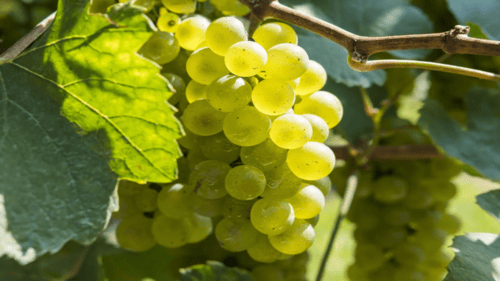
Chardonnay
From crisp unoaked versions from cool climates, to full-bodied and oak-aged versions from more moderate climates, and even to sparkling blanc de blancs, the flavors of Chardonnay can vary significantly, while also retaining common characteristics.
On the nose, unoaked, or ‘Chablis-style’ Chardonnays, tend to offer fragrant notes of green apple, pear, and citrus, with some chalky or mineral-like aromas.
Oaked Chardonnays, particularly those in the ‘Burgundian’ style, will often present rich aromas of peach, mango, and lemon, accompanied by notes of vanilla, butter, and often a hint of toasted bread or nuttiness due to the influence of oak, malolactic fermentation, and lees stirring.
On the palate Chardonnay offers a broad range of experiences depending on its style. Unoaked Chardonnays are typically lean and crisp, with high acidity, often resembling the freshness of a Sauvignon Blanc but with more body.
Oaked Chardonnays are known for their full-bodied, creamy mouthfeel, moderate acidity, and flavors of butter, vanilla, baking spices overlaying a stone fruit character. Despite the stylistic differences, both types tend to share a characteristic underlying note of apple or citrus. With age, no matter the style, chardonnay tends to develop hazelnut aromas. Most wines range from 12-14%.

Bottle
£27.00
2016 · 13%
This Chardonnay is both elegant and vibrant, making it a perfect choice for those who appreciate a well-crafted white wine.

Bottle
£34.00
2015 · 13.5%
Bright yellow-gold with a rich mouthfeel, honeyed texture and citrusy scents on a background of smoke and dried nuts. It has a full, rich, complex taste and can be aged for several more years

175ml
250ml
Bottle
£
11
£
13.5
£36
· 13.5%
Full bodied but elegant Chardonnay is a good alternative to some richer wines from Burgundy. Ripe fruity flavours of apple, peach and mango mingle with creamy vanilla, hazelnut and subtle sweet spice.
Contains SulphitesContains Yeast/Yeast Extracts
Bottle
£45.00
2015 · 14%
lively blend of Chardonnay, Sauvignon Blanc, Pinot Blanc and Gewürztraminer; aged for 11 months in big used oak barrels, sur lie

125ml
Bottle
£
12
£50
· 12%
Silverhand Silver Reign Organic Brut is a vibrant, orchard-fresh sparkling wine that balances zesty citrus and crisp green apple with a refined, creamy mousse and a clean, mineral finish.
Contains SulphitesContains Yeast/Yeast ExtractsSuitable for VegansSuitable for VegetariansOrganic

Bottle
£50.00
2020 · 13%
The palate is medium to full-bodied, with a refreshing acidity that balances the wine’s richness. Flavors of citrus and white nectarine are prominent, with a fine, dry finish that lingers

175ml
250ml
Bottle
£
13
£
18
£53
· 12%
Pierre Andre Chablis is a crystalline, high-acid white wine defined by its vibrant citrus flavours and a signature “stony” minerality that finishes with a refreshing, saline snap.
Contains SulphitesContains Garlic
Bottle
£57.00
2015 · 13%
On the palate, expect coated tannins, blackcurrant, and blueberry notes, along with a wonderful freshness and a saline finish
Bottle
£59.00
2021 · 13%
Delicate citrus, apple, grapefruit and peach aromas are supported by a flinty minerality. Although the wine has seen oak, it is very restrained, showing just a hint of roasted almonds, toast and smoke
125ml
Bottle
£
14
£75
· 12.5%
A sparkling bouquet with a vibrant intensity of green apple and citrus fruit, freshness of mineral nuances and white flowers and elegance of blond notes (brioche, cereal, fresh nuts)
Contains SulphitesContains Yeast/Yeast ExtractsSuitable for VegansSuitable for Vegetarians

Bottle
£78.00
· 13%
Grown by the river Serein, very pale in colour, a complex nose of grapefruit zest and brioche with pleasant citrus freshness and beautiful smoked mineral character
Contains SulphitesContains Added Preservatives
Bottle
£80
· 12%
Very fine bubbles giving way to beautiful and complex aromas of ripe fruit and hints of roasted apples, apple compote and peaches.
Contains Sulphites
125ml
Bottle
£
15
£85
· 12.5%
Moet & Chandon Rose Imperial Champagne is a vibrant and elegant champagne with a complex bouquet of red fruits and floral notes, balanced by a rich and refreshing palate.
Contains SulphitesContains Yeast/Yeast Extracts
Bottle
£91.00
2020 · 13.5%
A Chardonnay with beautifully intense fruit flavours of citrus and white stone fruits, accompanied by floral, lemon curd and mineral notes. Its layered texture is balanced by a lively, high acidity
Bottle
£96.00
2016 · 13%
Prominent aromas and flavors of pear and lime are beautifully balanced by bright natural acidity and a long, dry minerality.
Bottle
£98.00
· 12.5%
Each sip unveils a vibrant golden hue, invigorated by the effervescence of fine, slender bubbles.
Contains SulphitesContains Yeast/Yeast ExtractsSuitable for VegansSuitable for Vegetarians


