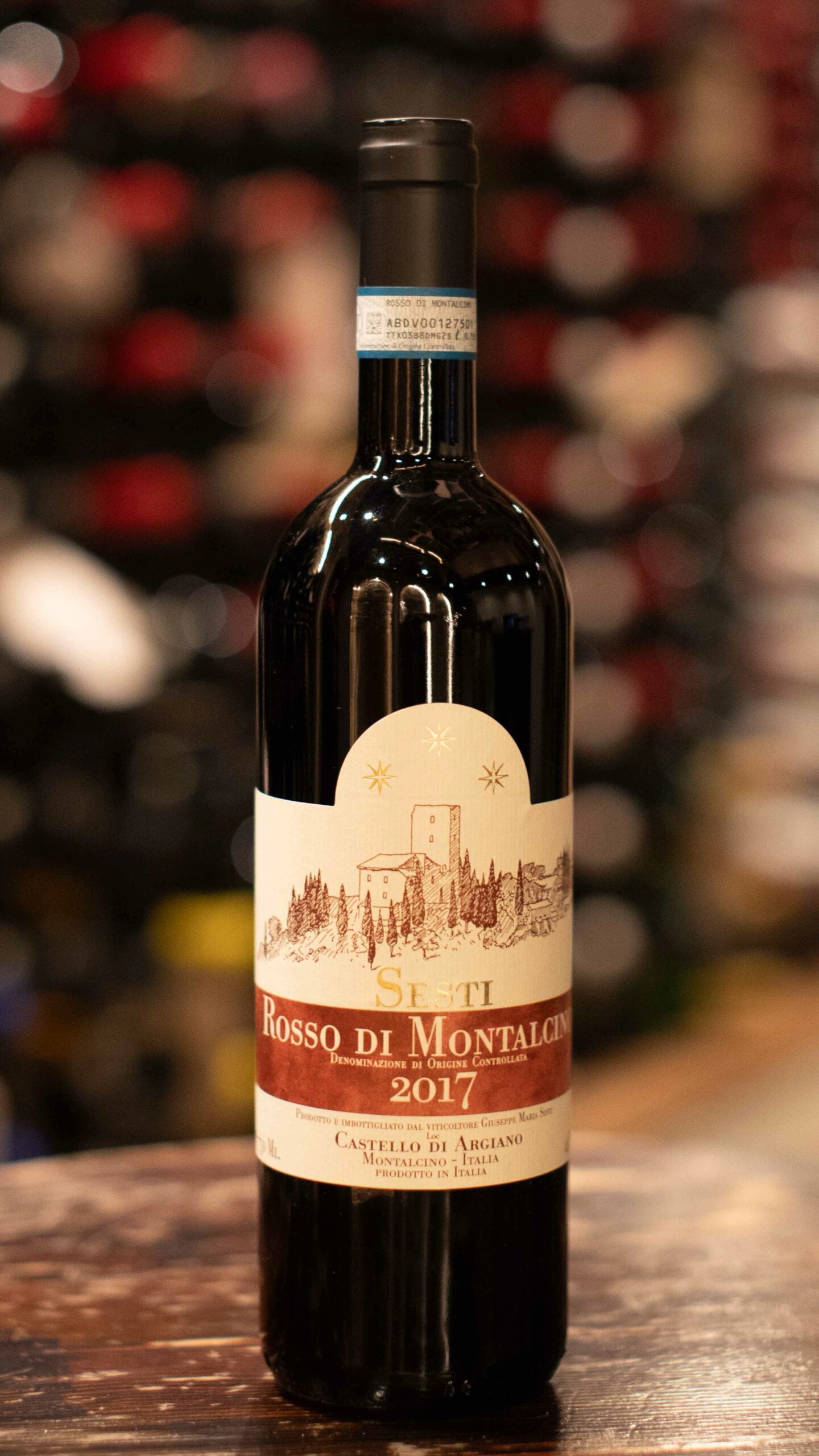
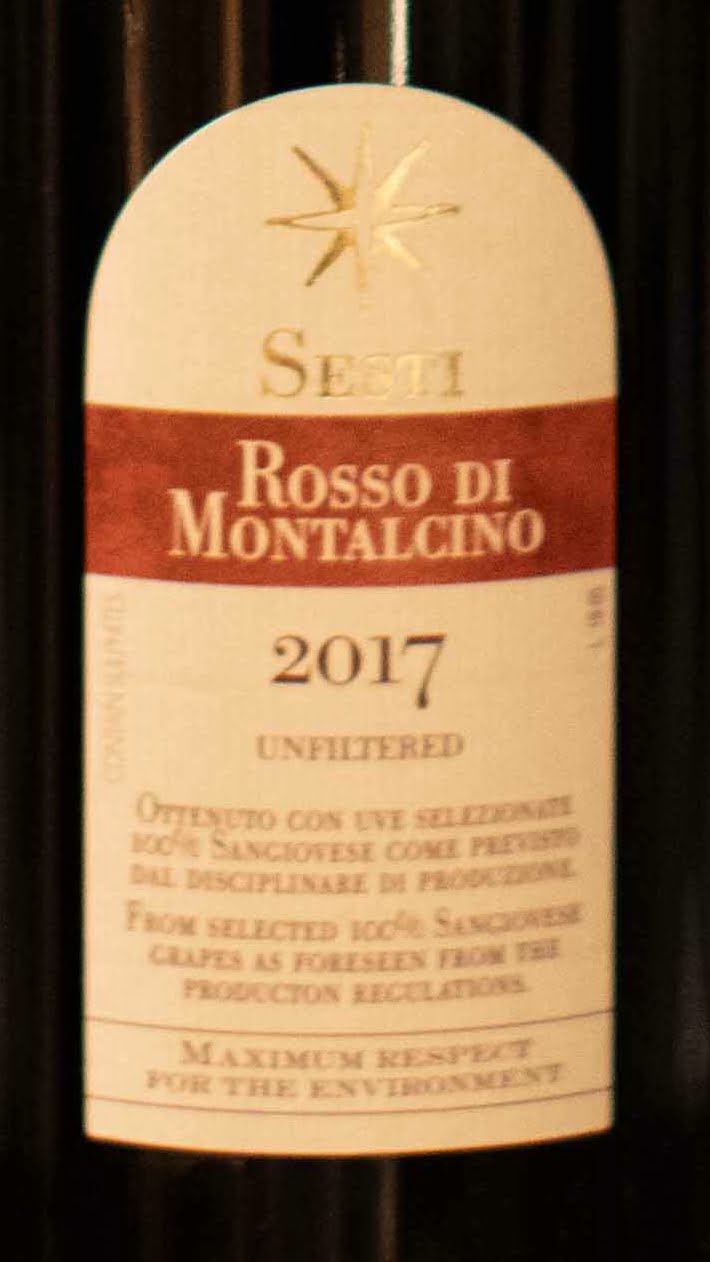
Rosso di Montalcino, Castello di Argiano 2017
All the hallmarks of top-quality Sangiovese are here, from the vibrant wild cherries to the fragrant violet note and a delicate touch of mint and earth.
Producer
Country
Region
Appellation
Vintage
2017
Wine Type
Grape(s)
Dietary
Alcohol %
Bottle Size
Location
All the hallmarks of top-quality Sangiovese are here, from the vibrant wild cherries to the fragrant violet note and a delicate touch of mint and earth. The tannins are smooth, and the finish lingers.
Guiseppe Sesti, having studied music and astronomy in Venice, had never planned to go into the wine business. Guigi, as he is known, met his now wife in North Wales while writing the first of his five-or-so books on astronomy. The Castello di Argiano family moved to Tuscan in the 1970s and he bought a ruined castle on a hill – presumably a great place for a telescope – and an abandoned hamlet called Argiano.
Between writing about the stars and organising the festival of Baroque Opera in Tuscany, he began to visit local wineries. His passion grew and in the 1990s the Sesti family planted their first vineyards. Guiseppe’s four children helped to harvest and stomp the first vintages, and over time his love of ancient calendars and celestial spheres has taken Sesti down the path of biodynamic production following lunar cycles.
Sangiovese
The Sangiovese grape is a red Italian wine grape variety that is most notably associated with the wines of Tuscany. Its name is derived from the Latin sanguis Jovis, “the blood of Jupiter”. Here are some key points about Sangiovese:
Origin and Regions: Sangiovese is primarily grown in the central regions of Italy, especially in Tuscany. It thrives in subregions like Chianti, Montalcino, and Montepulciano, where it is used to craft wines that reflect the unique nuances of the land.
Characteristics: Young Sangiovese wines can exhibit fresh fruity Flavors of strawberry and a hint of spiciness. With aging, particularly in barrels, they can develop oaky or even tarry Flavors.
Wine Styles: Sangiovese is versatile and is used in both single varietal wines and blends. It’s the primary grape in iconic Italian wines such as Brunello di Montalcino, Vino Nobile di Montepulciano, and Chianti Classico.
Clones and Viticulture: There are at least fourteen clones of Sangiovese, including Brunello. The grape is rot-prone and requires careful vineyard management.
Global Presence: While its stronghold is in Italy, Sangiovese is also cultivated in other Old World wine regions and in the New World, though to a lesser extent.
Sangiovese’s ability to express terroir and age gracefully has earned it a revered status among wine enthusiasts, making it one of Italy’s most cherished grape varieties.
There are no reviews yet. Be the first one to write one.


The Country
Italian wine, with its rich diversity and quality, is a reflection of the country’s deep-rooted wine culture and the varied terroirs that span from the Alpine slopes in the north to the sun-drenched islands in the south. Italy is renowned for being the world’s largest wine producer, offering an array of wines that are as diverse as its cuisine. From the robust and age-worthy Barolo and Barbaresco wines of Piedmont to the light and zesty Pinot Grigio of the Veneto region, Italian wines are made to complement a wide range of foods and occasions. The country’s winemaking history dates back thousands of years, influenced by ancient civilizations such as the Etruscans and Romans, and continues to evolve today. Each region boasts its own indigenous grape varieties, with over 350 officially recognized by the Italian government, contributing to the unique character and flavor profiles of Italian wines. Whether it’s a Chianti Classico enjoyed with pasta in a Tuscan villa or a crisp Prosecco toasting a special moment, Italian wines encapsulate the essence of la dolce vita—the sweet life


The Region
Tuscany, the heart of Italian winemaking, boasts a rich history and diverse range of wines with styles such as
- Chianti: A classic red blend from Tuscany, Chianti is primarily made with at least 70% Sangiovese grapes. It ranges from light to full-bodied, offering red cherry fruit, herbal nuances, and earthy notes.
- Brunello di Montalcino: Produced around the town of Montalcino, this red wine is made exclusively from Sangiovese grapes. Initially juicy and spicy, it develops strong aromas of cherry and leather over time.
- Vino Nobile di Montepulciano: Produced around Montepulciano, this prized wine features Sangiovese (Prugnolo Gentile) as the main grape. Young versions display ripe red fruit, while aged ones develop robust flavors of tar, smoke, and leather.





The Producer
Guiseppe Sesti, having studied music and astronomy in Venice, had never planned to go into the wine business. Guigi, as he is known, met his now wife in North Wales while writing the first of his five-or-so books on astronomy. The Castello di Argiano family moved to Tuscan in the 1970s and he bought a ruined castle on a hill – presumably a great place for a telescope – and an abandoned hamlet called Argiano.
Between writing about the stars and organising the festival of Baroque Opera in Tuscany, he began to visit local wineries. His passion grew and in the 1990s the Sesti family planted their first vineyards. Guiseppe’s four children helped to harvest and stomp the first vintages, and over time his love of ancient calendars and celestial spheres has taken Sesti down the path of biodynamic production following lunar cycles.
Related Posts

| 2. Quick Exploration of Italian Wines |