Sangiovese
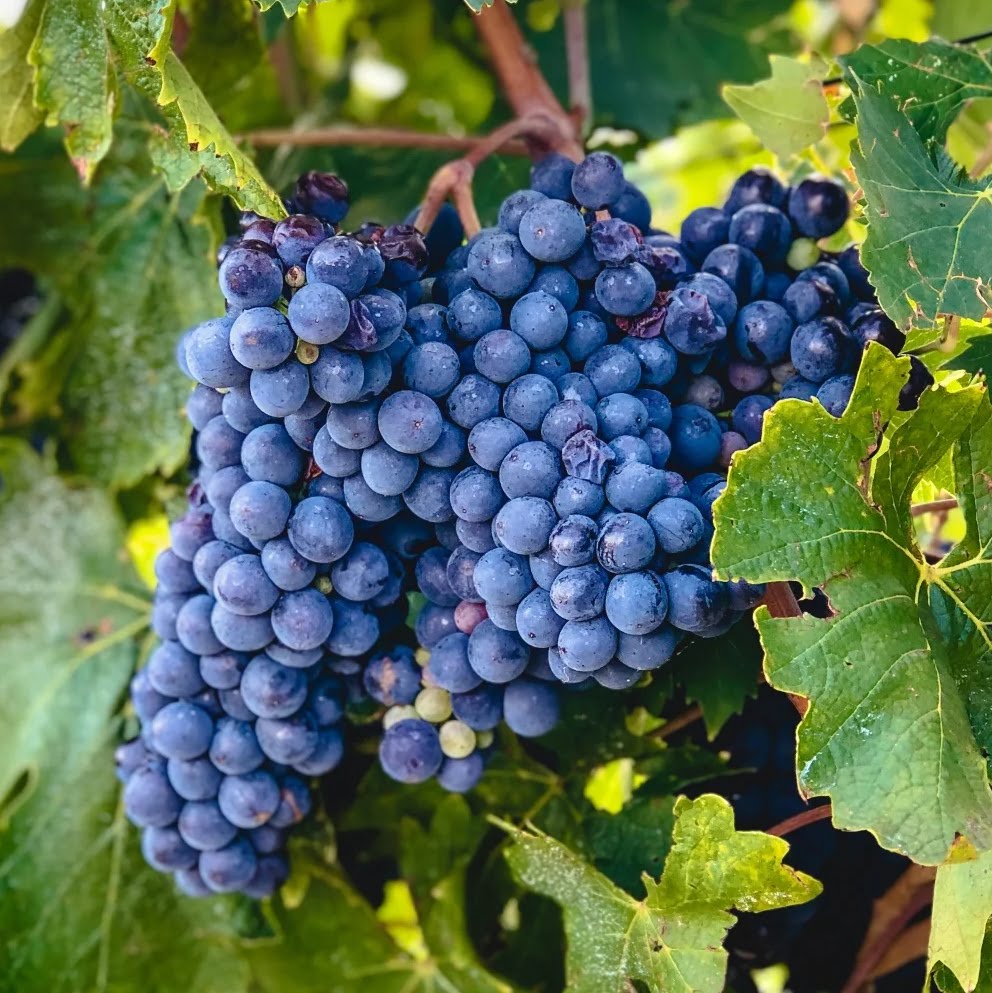
The Sangiovese grape is a red Italian wine grape variety that is most notably associated with the wines of Tuscany. Its name is derived from the Latin sanguis Jovis, “the blood of Jupiter”. Here are some key points about Sangiovese:
Origin and Regions: Sangiovese is primarily grown in the central regions of Italy, especially in Tuscany. It thrives in subregions like Chianti, Montalcino, and Montepulciano, where it is used to craft wines that reflect the unique nuances of the land.
Characteristics: Young Sangiovese wines can exhibit fresh fruity Flavors of strawberry and a hint of spiciness. With aging, particularly in barrels, they can develop oaky or even tarry Flavors.
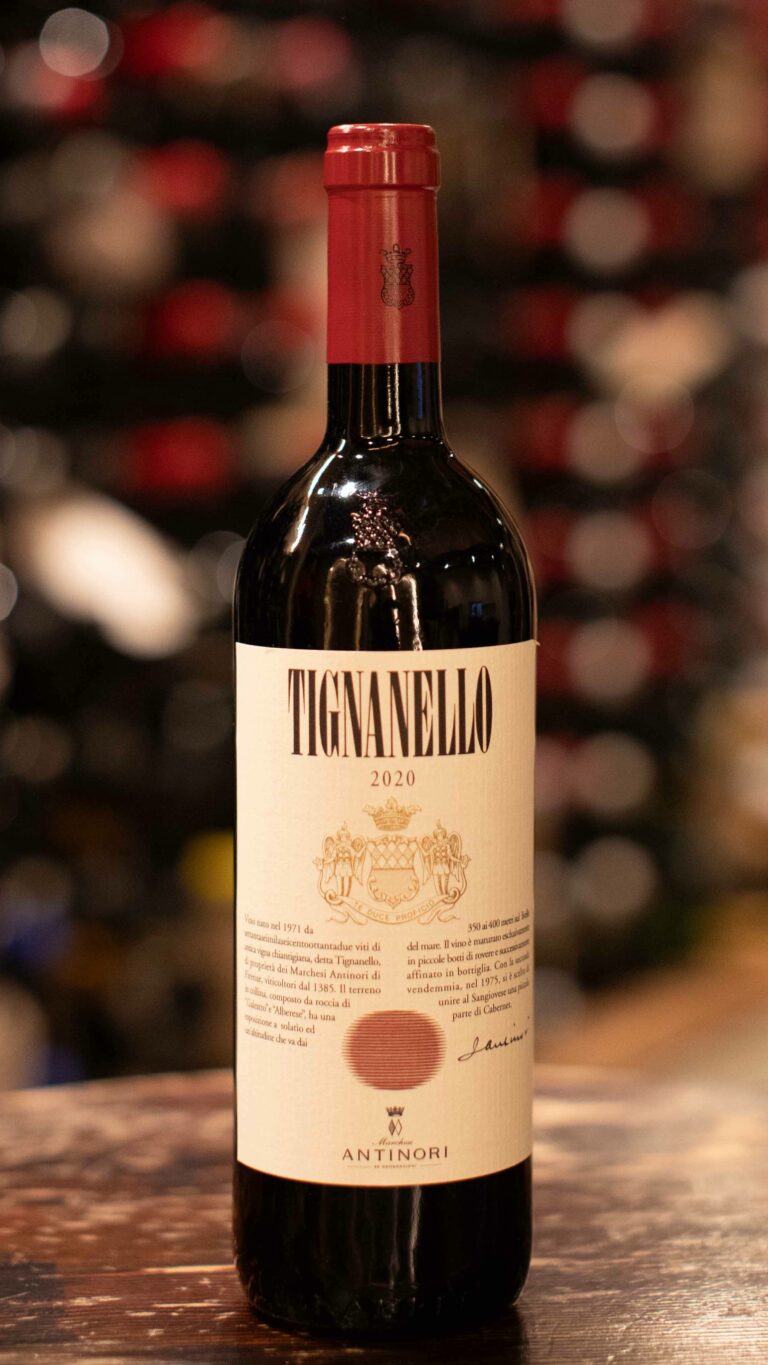
Wine Styles: Sangiovese is versatile and is used in both single varietal wines and blends. It’s the primary grape in iconic Italian wines such as Brunello di Montalcino, Vino Nobile di Montepulciano, and Chianti Classico.
Clones and Viticulture: There are at least fourteen clones of Sangiovese, including Brunello. The grape is rot-prone and requires careful vineyard management.
Global Presence: While its stronghold is in Italy, Sangiovese is also cultivated in other Old World wine regions and in the New World, though to a lesser extent.
Sangiovese’s ability to express terroir and age gracefully has earned it a revered status among wine enthusiasts, making it one of Italy’s most cherished grape varieties.

Bottle
£49.00
2017 · 14%
All the hallmarks of top-quality Sangiovese are here, from the vibrant wild cherries to the fragrant violet note and a delicate touch of mint and earth.
Bottle
£56.00
2019 · 14.5%
The palate reveals a balanced structure with a lifted, elegant freshness. Soft, supple tannins lead to a long finish
Bottle
£102.00
2019 · 15%
Exceptional Chianti Classico offers a concentrated yet elegant palate of ripe red cherries and wild berries, intricately woven with savoury notes of herbs, crushed stone, and fine-grained tannins
Bottle
£159.00
2020 · 14%