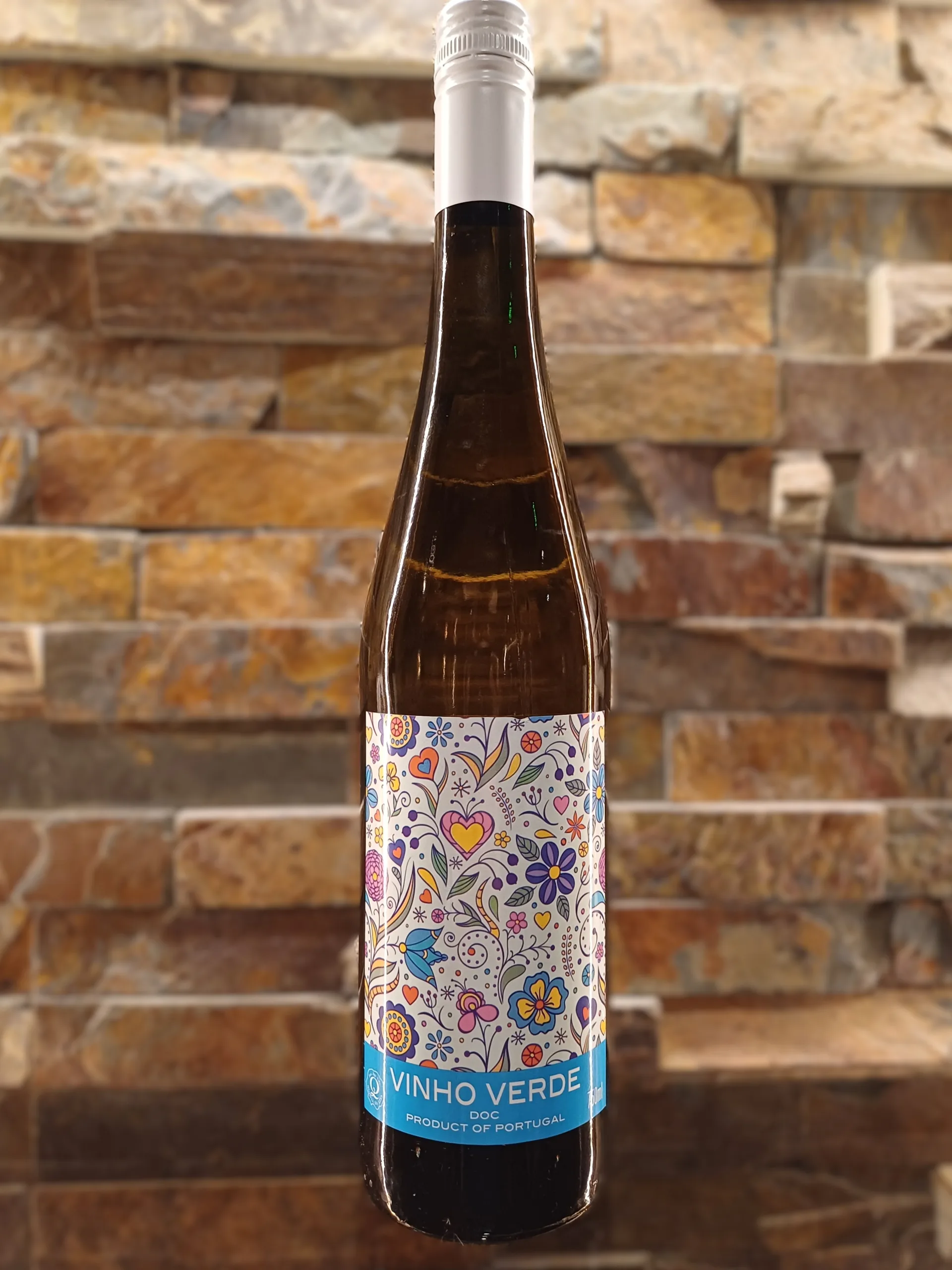
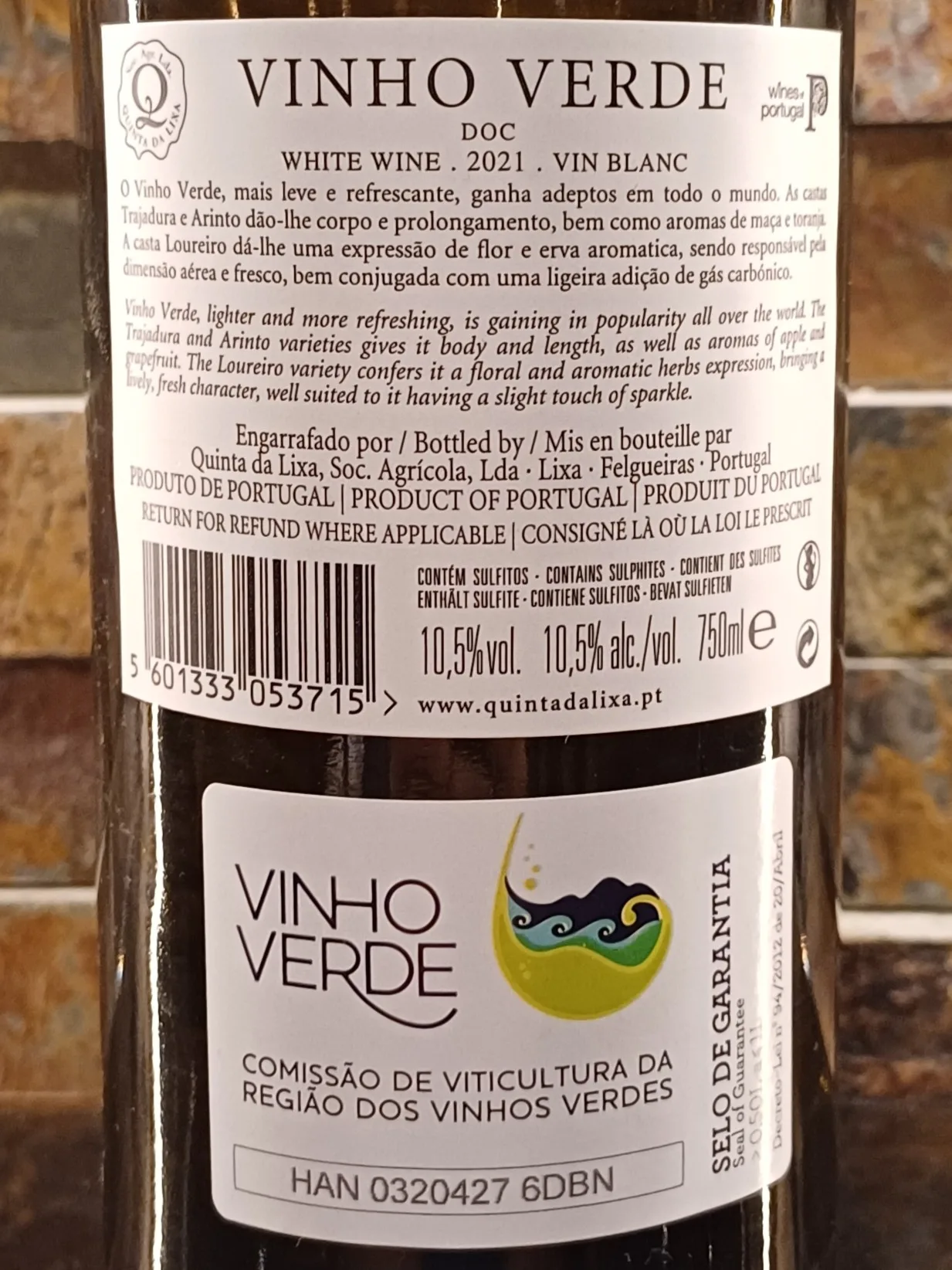
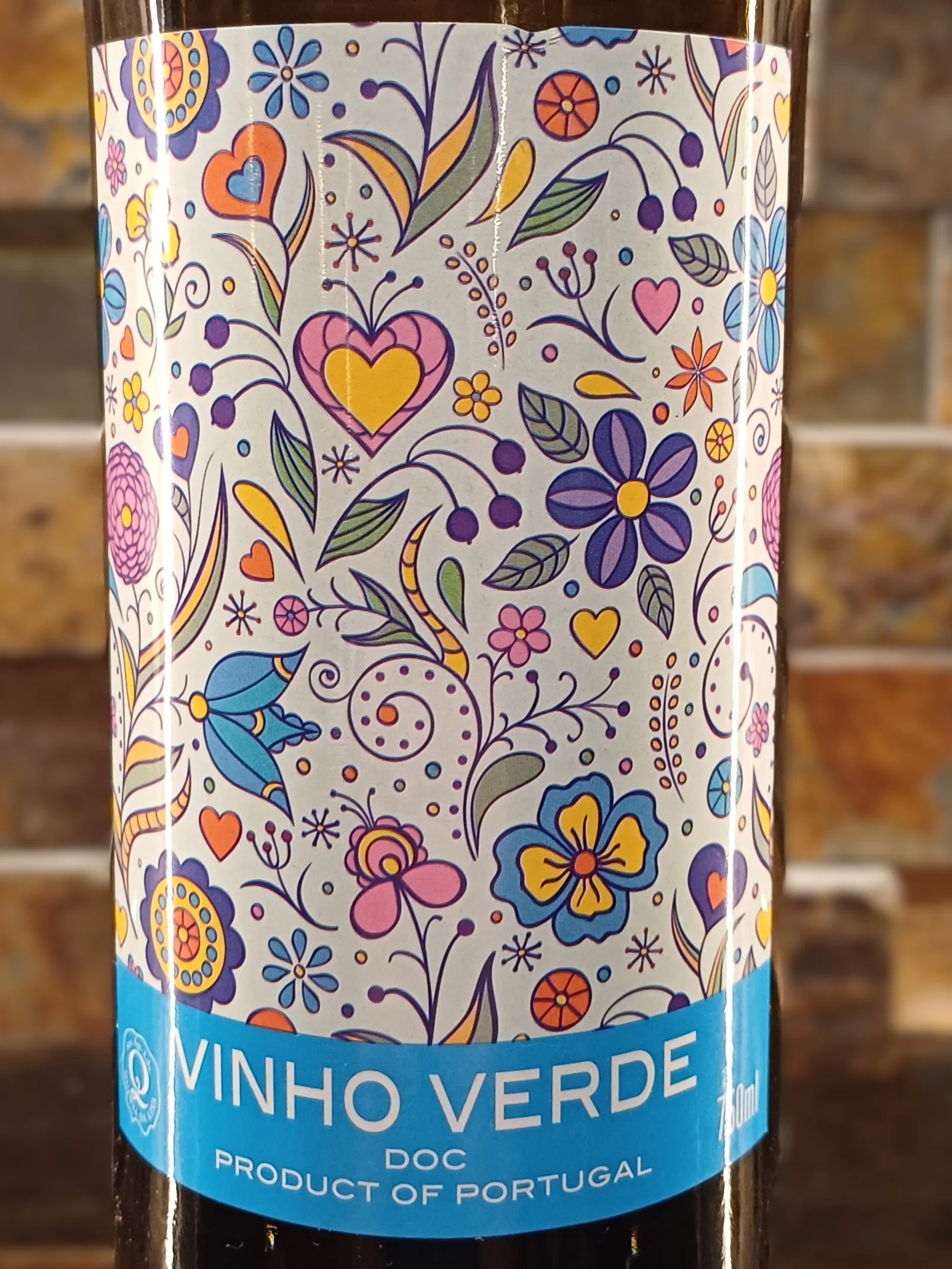
Vinho Verde, Quinta da Lixa
This is the ultimate refreshing white wine, bursting from the glass with tantalizing aromas of zesty lime, crisp green apple, and delicate white flowers.
Producer
Country
Region
Appellation
Vintage
Wine Type
Grape(s)
Dietary
Alcohol %
Bottle Size
Location
A Zesty Burst of Portuguese Sunshine: The Taste of Quinta da Lixa Vinho Verde
Quinta da Lixa’s Vinho Verde captures the vibrant, youthful spirit of its namesake region in northern Portugal, offering a taste experience that is both exhilaratingly fresh and effortlessly appealing. From the moment it’s poured, the wine presents a pale, lemon-green hue that hints at its lively character. The first aromatic greeting is a bright and energetic bouquet of crisp green apple, zesty lime, and tangy pink grapefruit. This initial citrus burst is beautifully complemented by softer, more delicate notes of white peach, juicy melon, and a subtle floral background reminiscent of white blossoms and fresh-cut grass, a signature of the Loureiro and Treixadura grapes often used in the blend.
Upon taking a sip, the palate is immediately awakened by a zinging, refreshing acidity that defines the wine’s structure and appeal. The taste mirrors the nose, with a cascade of citrus and orchard fruit flavours washing over the tongue. Notes of tart green apple and lemon zest are at the forefront, creating a clean and mouth-watering sensation. This is seamlessly balanced by a subtle, underlying fruit sweetness that rounds out the profile, preventing it from being sharp and adding a pleasing weight to the mid-palate.
Perhaps the most defining characteristic of Quinta da Lixa Vinho Verde is its signature pétillance. A delicate, light spritz dances on the tongue, enhancing the wine’s overall sense of freshness and making it incredibly thirst-quenching. The finish is clean, crisp, and wonderfully persistent, leaving a lasting impression of citrus zest and a distinct mineral quality often likened to wet stone. It is this combination of zesty fruit, high-toned acidity, and gentle effervescence that makes Quinta da Lixa Vinho Verde a quintessential example of its style—a joyous and invigorating wine that is incredibly easy to drink.
Production: Preserving Peak Freshness
The production of Quinta da Lixa Vinho Verde is centered around one primary goal: preserving the grapes’ natural high acidity and delicate aromatic compounds. The process begins in the cool, damp, granite-rich soils of the Vinho Verde region in northern Portugal. Here, local grape varieties like Loureiro, Trajadura, and Arinto thrive. To prevent mildew and rot in the humid climate, vines are often trained on high trellises, a system known as enforcado or pergola, which promotes air circulation and exposes the grapes to sunlight.
Harvesting is timed carefully to catch the grapes at a point of optimal ripeness, but before their acidity levels drop. The aim is to achieve fresh, zesty fruit flavours rather than rich, concentrated ones.
Once in the winery, the grapes are handled gently and quickly. Fermentation is carried out at cool, controlled temperatures in modern stainless steel tanks. This slow, cool process is crucial as it prevents the volatile, delicate floral and citrus aromas from being lost. Critically, the winemakers prevent malolactic fermentation, the secondary fermentation that converts sharp malic acid (like in a green apple) to softer lactic acid (like in milk). By blocking this process, the wine retains its signature crisp, mouth-watering acidity.
The famous light spritz, or pétillance, is a hallmark of the style. In the past, this was often a byproduct of bottling the wine so quickly that a little CO2 from the end of fermentation was trapped. Today, while some residual CO2 might be retained, it is common practice for producers like Quinta da Lixa to inject a small, controlled amount of carbon dioxide just before bottling to ensure a consistent and refreshing effervescence in the final product.
Aging: A Celebration of Youth
The concept of “aging” for Quinta da Lixa Vinho Verde is fundamentally different from that of most other wines. In short, it is designed not to be aged. The entire production philosophy is geared towards creating a wine that is expressive and vibrant in its youth.
After fermentation, the wine is kept in inert stainless steel tanks for a very short period to allow it to stabilise and for the flavours to integrate. There is no contact with oak barrels, as the vanilla, spice, and oxidative notes imparted by wood would overwhelm the delicate primary fruit and floral character of the wine.
The wine is typically bottled within a few months of the harvest and released early in the following year. This ensures that when the consumer opens a bottle, they are experiencing the wine at its absolute peak of freshness. Quinta da Lixa Vinho Verde is meant to be consumed young, ideally within a year or two of its vintage date, to fully enjoy its zesty acidity, lively fruit, and signature spritz. It is a wine that celebrates the moment, capturing a fleeting, youthful vibrancy in the bottle.
Owned and operated by the Meireles family from the town of Vila da Lixa since the mid-1980s, Quinta da Lixa began its life as a cellar-door vendor of what the locals lovingly called o tal vinho da Lixa – ‘that Lixa wine’. The family had great foresight in acquiring estate vineyard land early on and over the ensuing decades, ensuring an increasingly consistent source of high-quality and relatively low-cost estate-grown grapes. The 1990s saw the construction of a new winery devoted to transitioning the family business from bulk local-market sales to estate bottling.
Another piece of the puzzle was completed in the early 2000s with the hiring of Carlos Teixeira, a local who had left town to make his name as one of Portugal’s most respected oenologists. He’s still at the helm of this beloved winery today, producing textbook Vinhos Verdes at an unimpeachable level of quality for the very modest pricepoint.
Arinto
Arinto (or Pederna) is a white wine grape variety grown in the hot wine regions surrounding Lisbon on the central coast of Portugal. The variety’s naturally high acid content makes it well suited to the region whilst other varieties with less-robust acid structures struggle to retain sufficient acidity in the hot, humid climate.
Loureiro
Loureiro, which translates to “laurel” in Portuguese, is named for its distinctive bay leaf aroma that is reminiscent of laurel flowers.
This grape variety is also associated with delightful scents of orange blossom, acacia, and lime blossom, which overlay a fruity profile of apple and peach flavors. The wines produced from Loureiro grapes are known for their refreshing and well-balanced acidity, making them a popular choice for blending with other varieties such as Arinto and Trajadura.
In Portugal, Loureiro is a key component in the production of Vinho Verde, contributing to the wine’s crisp and aromatic character. The grape is also cultivated in Spain, particularly in the region of Galicia, where it is permitted in the Rías Baixas, Ribeira Sacra, and Ribeiro areas. With its fragrant bouquet and zesty palate, Loureiro wines are a delightful representation of Portuguese viticulture
There are no reviews yet. Be the first one to write one.


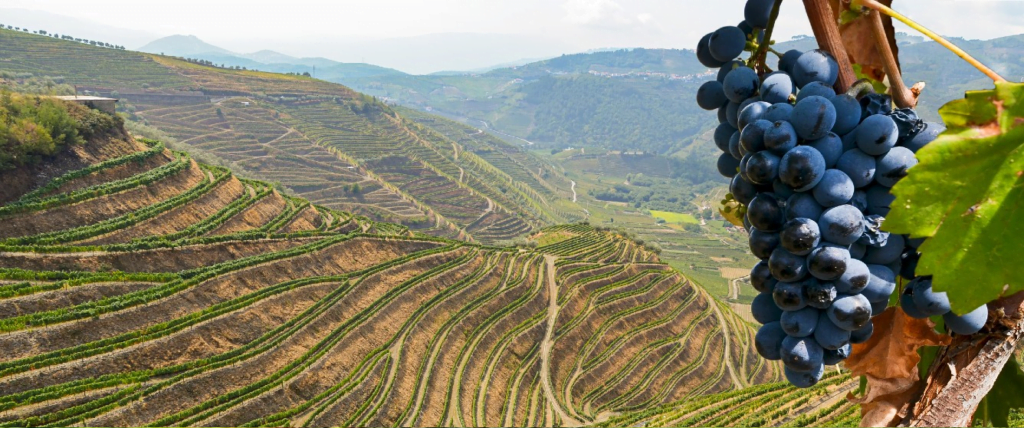
The Country
Portugal has a rich tradition of winemaking, offering a diverse range of wines that showcase the country’s unique grape varieties, climate, and topography.
Portugal’s winemaking scene offers a treasure trove of indigenous grape varieties, each contributing to the country’s diverse and characterful wines. Whether you’re sipping a Vinho Verde by the coast or enjoying a robust Douro red, Portugal’s wines are sure to delight wine enthusiasts worldwide


The Region





The Producer
Owned and operated by the Meireles family from the town of Vila da Lixa since the mid-1980s, Quinta da Lixa began its life as a cellar-door vendor of what the locals lovingly called o tal vinho da Lixa – ‘that Lixa wine’. The family had great foresight in acquiring estate vineyard land early on and over the ensuing decades, ensuring an increasingly consistent source of high-quality and relatively low-cost estate-grown grapes. The 1990s saw the construction of a new winery devoted to transitioning the family business from bulk local-market sales to estate bottling.
Another piece of the puzzle was completed in the early 2000s with the hiring of Carlos Teixeira, a local who had left town to make his name as one of Portugal’s most respected oenologists. He’s still at the helm of this beloved winery today, producing textbook Vinhos Verdes at an unimpeachable level of quality for the very modest pricepoint.