Famiglia Botter Prosecco
Famiglia Botter Prosecco from Veneto’s Glera grape: green apple and pear, acacia blossom and honey, fine persistent bubbles, balanced acidity and a fresh, lingering finish.
Producer
Country
Region
Appellation
Vintage
Wine Type
Grape(s)
Dietary
Alcohol %
Bottle Size
Location
£9
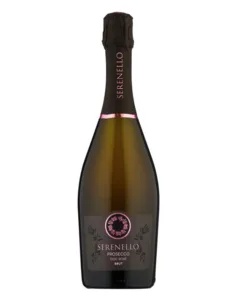
Famiglia Botter Prosecco
Famiglia Botter Prosecco pours a pale straw yellow, catching the light with a faint greenish sheen, and it wastes no time announcing itself: a steady stream of fine, persistent bubbles rises through the glass, building into a soft, lasting mousse rather than a fleeting fizz. Lean in and the aroma is delicate and unmistakably floral, acacia blossom and a whisper of wisteria drifting above riper notes of honey and wild apple. It’s a gentle, inviting bouquet rather than an assertive one, the kind that draws you back to the glass for a second and third pass before you’ve even taken a sip.
The first taste confirms what the nose promised. Crisp green apple and ripe pear lead the way, clean and orchard-fresh, with the same honeyed, slightly aromatic character from the aroma reappearing on the palate and rounding out the fruit. Being an Extra Dry style, there’s a touch more sweetness here than in a Brut Prosecco, just enough to soften the citrus edges and give the wine a gentle, approachable fullness, though it never tips into anything cloying — the fruit stays the focus throughout.
That softness is kept honest by a well-judged seam of acidity running underneath, together with a light mineral undertone that keeps the wine feeling fresh rather than simply sweet. The bubbles do real work here too: fine and persistent rather than coarse, they lift the fruit across the palate and give the wine a lively, almost weightless texture, medium-bodied without ever feeling heavy. It’s a Prosecco built for immediacy and ease rather than complexity, and it delivers exactly that.
The finish is clean, fresh and pleasingly long for a wine of this style, the pear and apple lingering alongside a last trace of blossom as the mousse fades. Served well chilled, it’s a natural match for its stated role as an aperitif, equally happy alongside light appetisers, delicate soups, risotto, or fish and vegetable-based first courses — food that won’t fight with its fruit-forward, floral character.
Famiglia Botter Prosecco is made entirely from Glera, harvested from vineyards within the Prosecco DOC zone, the broad stretch of Veneto and Friuli Venezia Giulia that sits between the Adriatic coast and the foothills of the Alps. That position matters: cooling sea air and mountain breezes moderate what would otherwise be a warm, low-lying growing area, keeping the Glera grapes fresh and aromatic as they ripen and giving the finished wine its characteristic orchard-fruit and blossom character rather than anything heavier or more tropical.
Production follows the classic path for Prosecco of this style. The grapes are pressed gently and fermented into a still base wine in stainless steel at a closely controlled 18°C for eight to ten days, using selected yeasts chosen to protect and enhance Glera’s naturally delicate aromatics rather than mask them. No oak comes anywhere near the process; freshness, not richness, is the entire point of a wine like this, and stainless steel keeps it that way from start to finish.
The wine’s sparkle comes from a second fermentation carried out in bulk, in large pressurised stainless steel tanks, using the Martinotti-Charmat method that defines Prosecco production. Conducted at a cooler 14-15°C, this stage is what builds the fine, persistent bubbles and soft mousse that define the wine’s texture, trapping carbon dioxide within the tank rather than in individual bottles.
Once fermentation is complete, the wine is chilled to around -2 to -3°C for cold stabilisation, then filtered and bottled under pressure to lock in both the bubbles and the aromatics built up along the way. A touch of sweetness is added before bottling to reach the Extra Dry style, a small but deliberate step that rounds out the wine’s crisp acidity without ever overwhelming it. The result is a Prosecco made for drinking young and fresh, served chilled at around 8-10°C, rather than one built for extended ageing in bottle.
A wide range of Italian quality wines, many of which are made with grapes from native vines perfectly represents Botter multi-territorial approach extending throughout Italy. From Veneto to Sicily and Apulia, the Company wine selection traces out a map of Italian oenological culture and taste, revealing its shared passion, creativity, quality and commitment.
The wine is born as a local product as it is naturally bonded to the vine and to the place where it grows: the land and its different soils, the climate and traditions. But when it is bottled, it must face global challenges and meet the rest of the world.
Glera (Prosecco)
The flavours in Prosecco can vary from green apple and pear to floral notes of honeysuckle, with distinct acidity. Off dry Proseccos tend to display pronounced stone fruit flavours, with certain examples showing a more honeyed character, especially richer, sweeter wines. In some bottles you may find notes of tropical fruit and melon, and even a hint of cream.
Glera tends to produce medium-bodied wines, ranging from crisp, fully sparkling (spumante) to lightly sparkling, much more gentle fizz (frizzante). Generally, Prosecco has lighter, frothier bubbles than Champagne, Cava or Crémant due to being produced in large tanks where the pressure is much lower. The resulting wine can have a tinge of sweetness compared to other famous sparkling wines.
- Contains Sulphites
- Contains Added Preservatives
- Suitable for Vegans
- Suitable for Vegetarians
There are no reviews yet. Be the first one to write one.


The Country
Italian wine, with its rich diversity and quality, is a reflection of the country’s deep-rooted wine culture and the varied terroirs that span from the Alpine slopes in the north to the sun-drenched islands in the south. Italy is renowned for being the world’s largest wine producer, offering an array of wines that are as diverse as its cuisine. From the robust and age-worthy Barolo and Barbaresco wines of Piedmont to the light and zesty Pinot Grigio of the Veneto region, Italian wines are made to complement a wide range of foods and occasions. The country’s winemaking history dates back thousands of years, influenced by ancient civilizations such as the Etruscans and Romans, and continues to evolve today. Each region boasts its own indigenous grape varieties, with over 350 officially recognized by the Italian government, contributing to the unique character and flavor profiles of Italian wines. Whether it’s a Chianti Classico enjoyed with pasta in a Tuscan villa or a crisp Prosecco toasting a special moment, Italian wines encapsulate the essence of la dolce vita—the sweet life


The Region
Veneto, located in the northeast corner of Italy, is a substantial wine region known for its diverse offering such
- Valpolicella: Fruity red wines dominate here, with Corvina, Corvinone, and Rondinella grapes. Valpolicella rivals Tuscany’s Chianti in production volume
- Soave: This region produces the eponymous dry white wine, which has gained international fame.
- Prosecco: From Conegliano Valdobbiadene, Prosecco is a sparkling gem loved worldwide.
- Amarone della Valpolicella: Known for its full-bodied richness, Amarone is crafted using the unique appassimento process.






The Producer
A wide range of Italian quality wines, many of which are made with grapes from native vines perfectly represents Botter multi-territorial approach extending throughout Italy. From Veneto to Sicily and Apulia, the Company wine selection traces out a map of Italian oenological culture and taste, revealing its shared passion, creativity, quality and commitment.
The wine is born as a local product as it is naturally bonded to the vine and to the place where it grows: the land and its different soils, the climate and traditions. But when it is bottled, it must face global challenges and meet the rest of the world.
Related Posts

| 2. Quick Exploration of Italian Wines |