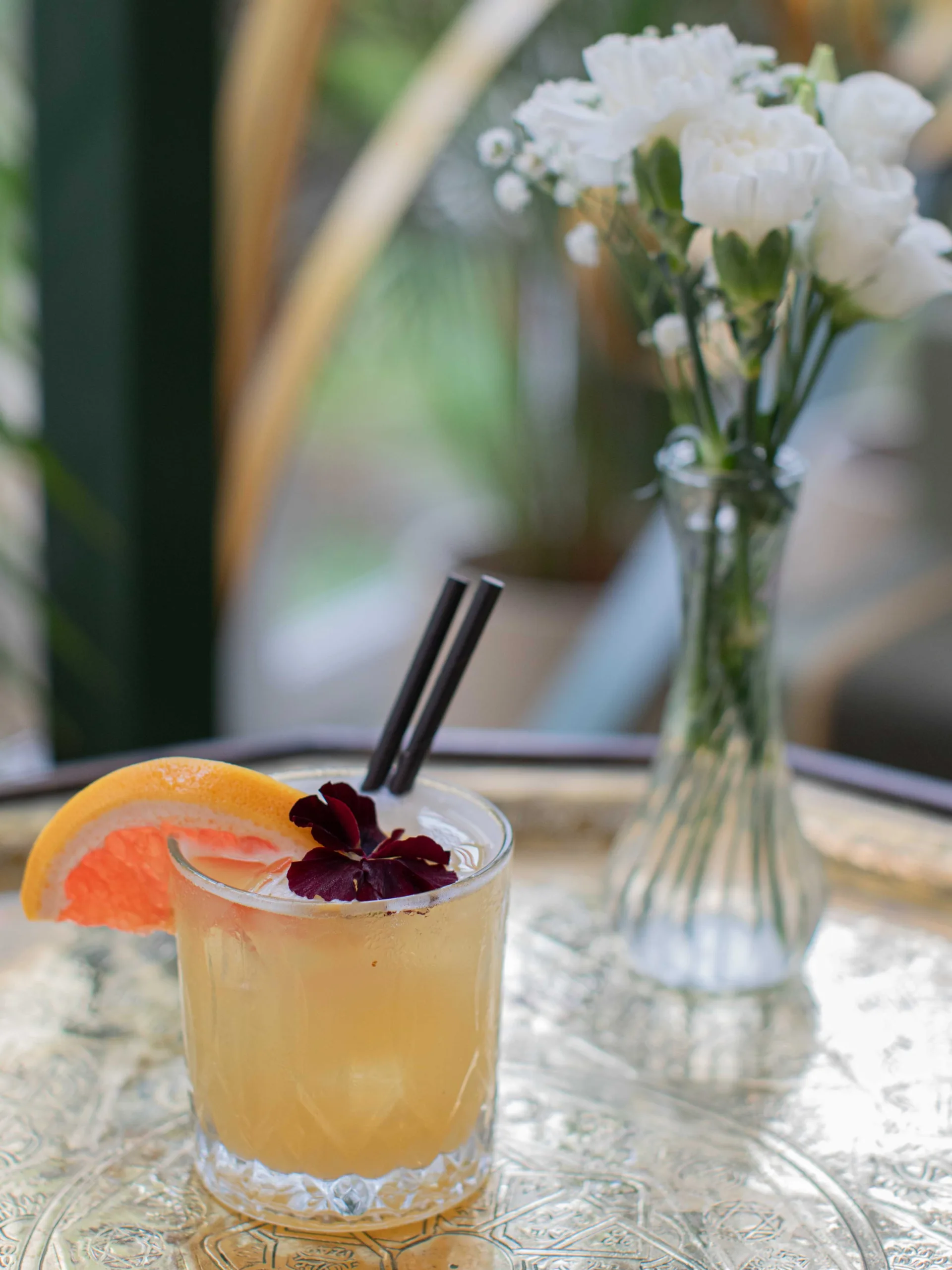
Grapefruit Paloma Cocktail
Grapefruit Paloma Cocktail is a sophisticated, silky-smooth citrus symphony that expertly balances the sharp, bitter edge of grapefruit with the refined orange sweetness of Cointreau
Cocktail Type
Cocktail Style
Alcohol Contents
Non Alcohol Contents
Added Content
Grapefruit Paloma Cocktail
The Initial Sip
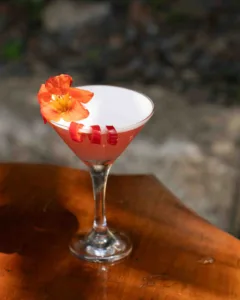
The first impression is one of explosive brightness. As you tilt the glass, the lively fragrance of the fresh grapefruit slice and the essential oils of the citrus hit the nose first. On the palate, the cocktail begins with a sharp, clean strike of grapefruit acidity, immediately followed by the earthy, peppery warmth of the tequila. Unlike a traditional Paloma that relies on carbonation for lift, the Foamer (a botanical alternative to egg whites) creates a dense, velvety head that softens the initial citrus punch, making the first sip feel incredibly smooth and airy.
The Mid-Palate Balance
As the drink settles, the Cointreau and Orange Juice perform a beautiful balancing act. While the grapefruit juice provides a characteristic, sophisticated bitterness, the Cointreau introduces a refined, crystalline orange sweetness and a hint of spice. This, combined with the sugar syrup, acts as a “buffer” that prevents the grapefruit from becoming too tart or astringent. The orange juice adds a rounded, sunny fruitiness that bridges the gap between the sharp citrus and the agave notes of the tequila, creating a flavor profile that is both deeply refreshing and complex.
The Botanical Finish
The finish is remarkably clean and lingering. The “foamer” ensures that the flavors stay on the palate longer, allowing the subtle, earthy notes of the agave to shine through once the citrus recedes. The edible flowers provide a delicate, herbaceous aroma that complements the tequila’s botanical nature. You are left with a pleasant, dry tingle—a mix of grapefruit zest and the faint sweetness of orange—that makes the drink feel exceptionally crisp and perfect for warm-weather sipping.
The Roots: The “National Drink of Mexico”
Contrary to popular belief, the Margarita is not the most popular tequila drink in Mexico; the Paloma is.
The Name: Paloma is Spanish for “Dove.” Some believe it was named after La Paloma, a famous folk song composed in the 1860s.
The Origin: The cocktail likely emerged in the 1950s, shortly after the American grapefruit soda Squirt was exported to Mexico. Locals began mixing it with tequila and lime, creating an instant classic.
The Myth: For years, the drink was attributed to Don Javier Delgado Corona, the legendary owner of La Capilla bar in Tequila, Jalisco. However, before his passing, Don Javier famously denied creating it, leaving its true inventor a mystery.
The “Cantarito” Connection
Your specific recipe, which includes Orange Juice, draws heavily from a regional cousin of the Paloma called the Cantarito. Originating in Jalisco, the Cantarito is traditionally served in a clay pot (jarrito) to keep it ice-cold.
While a Paloma usually sticks to grapefruit, the Cantarito is a “citrus bomb” that uses a trio of lemon, lime, and orange juices. By adding orange juice and sugar syrup to your Paloma, you are effectively bridging the gap between a highball and a traditional Mexican punch.
The Cointreau & “Palomita” Influence
The addition of Cointreau (an orange liqueur) is a modern refinement that shifts the drink closer to a Margarita framework. Around 2012, Cointreau began promoting a “Palomita” riff to showcase how their liqueur could replace the sugar and add a crystalline, spiced orange depth to the grapefruit base. This turned the “lazy man’s margarita” (as the Paloma was once called) into a high-end craft cocktail.
Modern Molecular Touch: The “Foamer”
The use of a Foamer is a product of the 2010s “Craft Revolution.” Historically, a Paloma is thin and fizzy. Modern bartenders began using “foamers” (often botanical extracts or aquafaba) to give the drink a silky, “sour-style” head. This provides a luxurious mouthfeel that was entirely absent from the original 1950s soda-based version, allowing the edible flower garnishes to sit elegantly on top rather than sinking.
There are no reviews yet. Be the first one to write one.