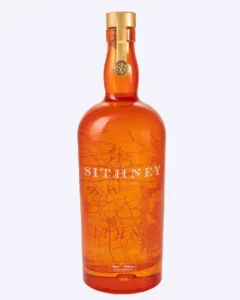
Gin Lane 1751 London Dry Gin
Gin Lane 1751 London Dry Gin is a quintessentially Victorian-style spirit that balances a robust, piney juniper core with zesty citrus and a bone-dry finish of warm star anise and coriander spice.
Type
Country
Producer
Featured Flavours
Alcohol %
40%
Serving Size
- 25ml
Suggested with
In Cocktails
Gin Lane 1751 London Dry Gin
Gin Lane 1751 London Dry Gin (40% ABV) is designed to be a quintessential throwback to the Victorian era, prioritizing a bold, uncompromising botanical profile over modern, experimental flavours. At its core, the spirit is juniper-forward, greeting the palate with a classic “forest floor” character of pine needles and resinous berries. This traditional foundation is supported by a sophisticated earthiness derived from angelica and orris root, which lends the gin a sturdy, structural mouthfeel that feels “full” despite its standard 40% bottling strength.
Complementing this piney backbone is a vibrant, dual-citrus brightness. The use of Sicilian lemon and Seville orange provides a layered acidity—the lemon offering a sharp, zesty top note while the Seville orange adds a deeper, slightly bitter marmalade-like richness. As the gin develops on the tongue, a subtle warmth emerges from star anise and cassia bark. This isn’t an overwhelming liquorice flavour, but rather a soft, sweet spice that rounds out the sharper citrus edges and provides a smooth, lingering finish.
The texture of the gin is notably clean and crisp, characteristic of its “London Dry” designation. Because it lacks added sugars or artificial flavorings, the finish is bone-dry, leaving behind a refreshing trail of coriander spice and a hint of citrus oils. It is often described as an “honest” gin—one that doesn’t hide behind floral or fruity gimmicks, making it an ideal choice for a classic, bracing Gin & Tonic or a dry Martini where the juniper is meant to be the star.
The name Gin Lane 1751 is a dual tribute to a pivotal year in spirits history and a masterpiece of social commentary that fundamentally changed how gin was perceived in Britain.
The Year 1751: The End of the “Gin Craze”
Before 1751, London was in the grip of the “Gin Craze”—a period where cheap, unregulated, and often toxic gin (nicknamed “Mother’s Ruin”) caused widespread social decay. In response, the British Parliament passed the Gin Act of 1751. This legislation was a turning point; it restricted the sale of gin to reputable merchants, raised taxes, and enforced quality controls. This effectively moved gin from the gutter to the gentleman’s club, beginning its journey as a “respectable” spirit.
William Hogarth’s “Gin Lane”
The brand also takes its name from the famous 1751 etching by William Hogarth, titled Gin Lane.
The Artwork: The print depicted a nightmarish, crumbling London slum (specifically St. Giles’ Parish) where inhabitants were destroyed by their addiction to gin. It was famously paired with Beer Street, which showed a prosperous, healthy society fueled by “wholesome” English ale.
The Propaganda: Hogarth’s work was actually a piece of powerful political propaganda intended to shock the public and support the passing of the Gin Act.
Modern Creation with Heritage Roots
The brand itself was founded in 2015 as a collaboration between The Bloomsbury Club (a group of industry experts) and Charles Maxwell, an 8th-generation master distiller from Thames Distillers in London.
Victorian Style: The goal was to create a “Victorian-style” gin. Unlike modern gins that often lean into light florals or experimental fruits, this 40% expression aims for the heavier, more robust botanical profile common in the mid-to-late 19th century—the era when gin finally became the sophisticated spirit we recognize today.
There are no reviews yet. Be the first one to write one.