Sangria by the Jug
Embrace the spirit of Spanish sunshine with our signature Sangria, a vibrant celebration in a glass – choice is the heart of your Sangria: a classic Rioja, a crisp Riesling, or a fruity Zinfandel.
Cocktail Type
Cocktail Style
Alcohol Contents
Non Alcohol Contents
Added Content
Sangria by the Jug
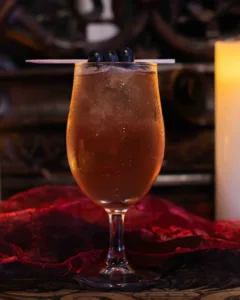
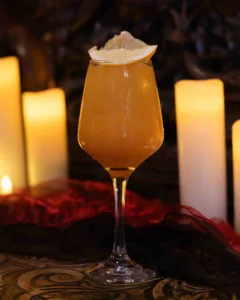
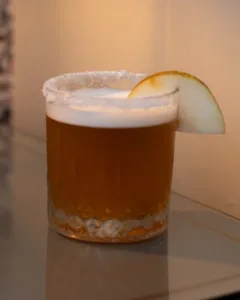
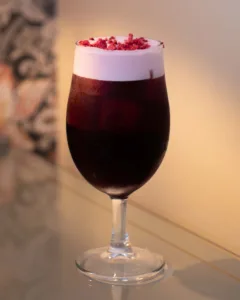
Embrace the spirit of Spanish sunshine with our signature Sangria, a vibrant celebration in a glass. Perfect for sharing, our recipe begins with a medley of freshly sliced citrus and seasonal fruits, steeped to create a symphony of flavour. Your only choice is the heart of your Sangria: a classic Rioja, a crisp Riesling, or a fruity Zinfandel.
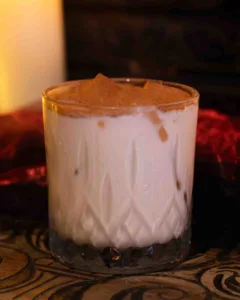
Classic Rioja Sangria
For the purist, our classic Sangria is built on a foundation of bold Spanish Rioja. The wine’s deep notes of dark cherry and subtle spice are beautifully balanced by the bright zest of fresh oranges and lemons. The result is a rich and soulful Sangria, a timeless taste of Spain that is both robust and deeply satisfying.
- Sugar syrup
- Orange juice
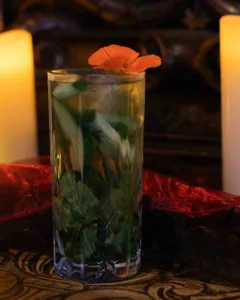
White Riesling Sangria
Light, bright, and wonderfully refreshing. This elegant version features a crisp German Riesling, lending its aromatic notes of green apple, peach, and zesty lime to the mix. Mingling with slices of pear and juicy white grapes, it’s a vibrant and sophisticated choice, perfect for a sun-drenched afternoon.
- Sugar syrup
- Lemon Juice
- lemonade
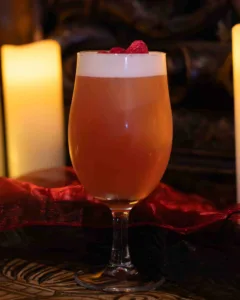
Rosé Zinfandel Sangria
A playful and luscious twist on the classic. This beautiful blushing Sangria uses a fruity White Zinfandel, bursting with flavours of sun-ripened strawberry, raspberry, and a hint of melon. Enhanced with a medley of fresh summer berries, this is a delightfully sweet, charming, and irresistibly summery sip.
- Painted Ladies White Zinfandel
- Courvoisier VS
- Lemon Juice
- Lemonade
The story of sangria begins over 2,000 years ago, with the arrival of the Romans on the Iberian Peninsula. As they planted vineyards across the lands that would become Spain and Portugal, they established a lasting wine culture. In these early days, water was often unsafe to drink, so it was common practice to fortify it with alcohol to kill bacteria. This led to the creation of rudimentary punches, where wine was mixed with water, spices, and herbs. This ancient practice of blending wine with other ingredients, known as creating a “hippocras,” was not unique to Spain, but it laid the foundational concept from which sangria would eventually emerge.
Over the centuries, this simple wine punch evolved into a distinctly Spanish and Portuguese creation. The name “sangria” itself is vividly descriptive, believed to be derived from the Spanish word for blood, sangre, a direct reference to the deep, crimson hue of the traditional drink made with red wine. This rustic concoction was a way of life, not a formal recipe. Families would use their local red wine, often robust and tannic, and mellow it with whatever seasonal fruits were on hand—most iconically, citrus fruits like oranges and lemons, which grew abundantly. A splash of local brandy or a touch of sweetener might be added, transforming a simple table wine into a refreshing and communal beverage.
While it remained a beloved staple in Spain and Portugal for centuries, sangria’s global debut was a much more recent affair. The pivotal moment came at the 1964 New York World’s Fair. At the Spanish Pavilion, visitors were introduced to this captivating, fruit-filled wine punch. For an American audience largely unfamiliar with Spanish cuisine, the drink was an exotic yet incredibly accessible revelation. It was refreshing, easy to drink, and visually appealing, and it perfectly encapsulated a relaxed, sunny, European lifestyle. The fair acted as a powerful catalyst, launching sangria into international popularity and cementing its status as Spain’s most famous beverage export.
Today, sangria is celebrated worldwide as a symbol of conviviality, sunshine, and festive gatherings. Its identity has expanded far beyond the classic red version; modern interpretations now include sangria blanca (made with white wine like Riesling or Sauvignon Blanc), rosé sangria, and even sparkling versions made with Cava. While countless variations exist, its core identity remains rooted in its heritage. In a nod to its deep-rooted history, the European Union has granted it a protected designation, legally stating that any beverage labelled “Sangria” must have been produced in Spain or Portugal, preserving the legacy of this simple, ancient punch that has charmed the world.
There are no reviews yet. Be the first one to write one.