Champagne Cocktail
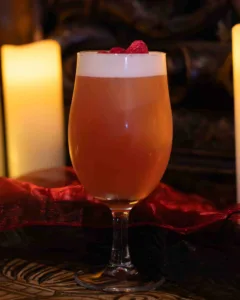
The Champagne Cocktail is a sophisticated play of contrasts, blending the crisp acidity of Moët and the velvet warmth of Courvoisier with a spicy, molasses-driven finish
Cocktail Type
Cocktail Style
Alcohol Contents
Non Alcohol Contents
Added Content
Champagne Cocktail
The Champagne Cocktail is a masterclass in balance, transforming sharp acidity into a deep, textured experience. By combining the structure of Courvoisier VS with the effervescence of Moet & Chandon, it creates a profile that is both regal and approachable.
The Initial Impression: Crisp and Bright
The first sip is defined by the Moët & Chandon Brut Impérial. As the bubbles hit your palate, you’re greeted with the signature crispness of green apple and citrus. Because Moët is a “Brut” (dry) champagne, it provides a lean, mineral backbone that prevents the drink from feeling heavy. The carbonation acts as a delivery system for the aromatics, lifting the scent of fresh brioche and white flowers toward the nose before the liquid even touches your tongue.
The Heart: Warmth and Weight
As the champagne settles, the Courvoisier VS begins to assert itself. This is where the cocktail gains its “body.” The cognac introduces a velvety warmth and notes of ripe stone fruits—think peaches and apricots—alongside a subtle floral hint of jasmine. This oak-aged spirit rounds out the sharp edges of the wine, adding a sophisticated weight and a long, glowing finish that lingers at the back of the throat.
The Finish: Spiced Sweetness
The true magic lies in the interaction between the brown sugar cube and the Angostura bitters. Unlike white sugar, brown sugar offers a faint molasses richness that dissolves slowly, ensuring the last sip is sweeter than the first. The bitters act as the “seasoning,” cutting through the sugar with complex notes of clove, cinnamon, and gentian root. This creates a fascinating tug-of-war between the spicy, botanical bitterness and the caramel-like sweetness, resulting in a drink that feels festive, layered, and timeless.
The Champagne Cocktail is one of the few drinks that has survived almost entirely unchanged since the “Iron Age” of American mixology. It is a drink defined by its transition from a rough frontier beverage to a symbol of high-society glamour.
The Origins: From Panama to the “Professor”
While many associate the drink with high-end French bars, its first recorded appearance was actually in an account of life in Panama in 1855, where it was described as an “immoderate enjoyment” usually consumed before breakfast.
It was later codified by the “father of American mixology,” Jerry Thomas, in his 1862 book The Bon Vivant’s Companion. In this early version, there was actually no cognac—it was simply champagne, sugar, and bitters served over ice.
The “Cognac” Evolution
The addition of Cognac (like the Courvoisier in your recipe) didn’t become standard until the late 19th century. In 1889, a bartender named John Dougherty won a prestigious New York cocktail competition by adding a “splash of brandy” to the recipe. This modification stuck, elevating the drink from a refreshing cooler to the sophisticated, high-octane classic we know today.
Key Historical Milestones
“Chorus Girl’s Milk”: In the early 20th century, the cocktail earned this cheeky nickname in London and New York because of how easily—and frequently—it was polished off by theater performers after a show.
Prohibition Resurgence: During the 1920s, the Champagne Cocktail became a staple in speakeasies. The sugar and bitters were often used to mask the harshness of lower-quality “champagne” or bootlegged brandy.
Pop Culture Icon: It is a classic “Hollywood” drink, famously appearing in films like Casablanca (1942), where it serves as a backdrop for the elegant, bittersweet atmosphere of Rick’s Café Américain.
The “Volcano” Effect
The use of a sugar cube rather than simple syrup is a historical holdover that serves a functional purpose. When the champagne hits the rough surface of the bitters-soaked cube, it creates a “nucleation point.” This causes a continuous stream of bubbles to shoot upward—a visual effect often called a “volcano”—which was a major selling point for the drink in the 19th-century “Grand Hotels.”
There are no reviews yet. Be the first one to write one.