Blood Moon Cocktail
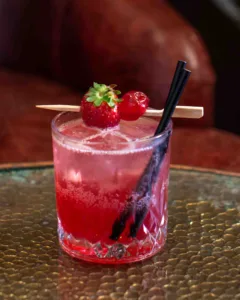
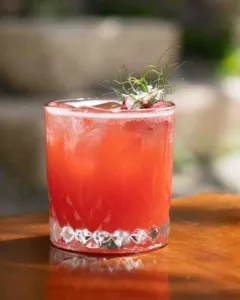
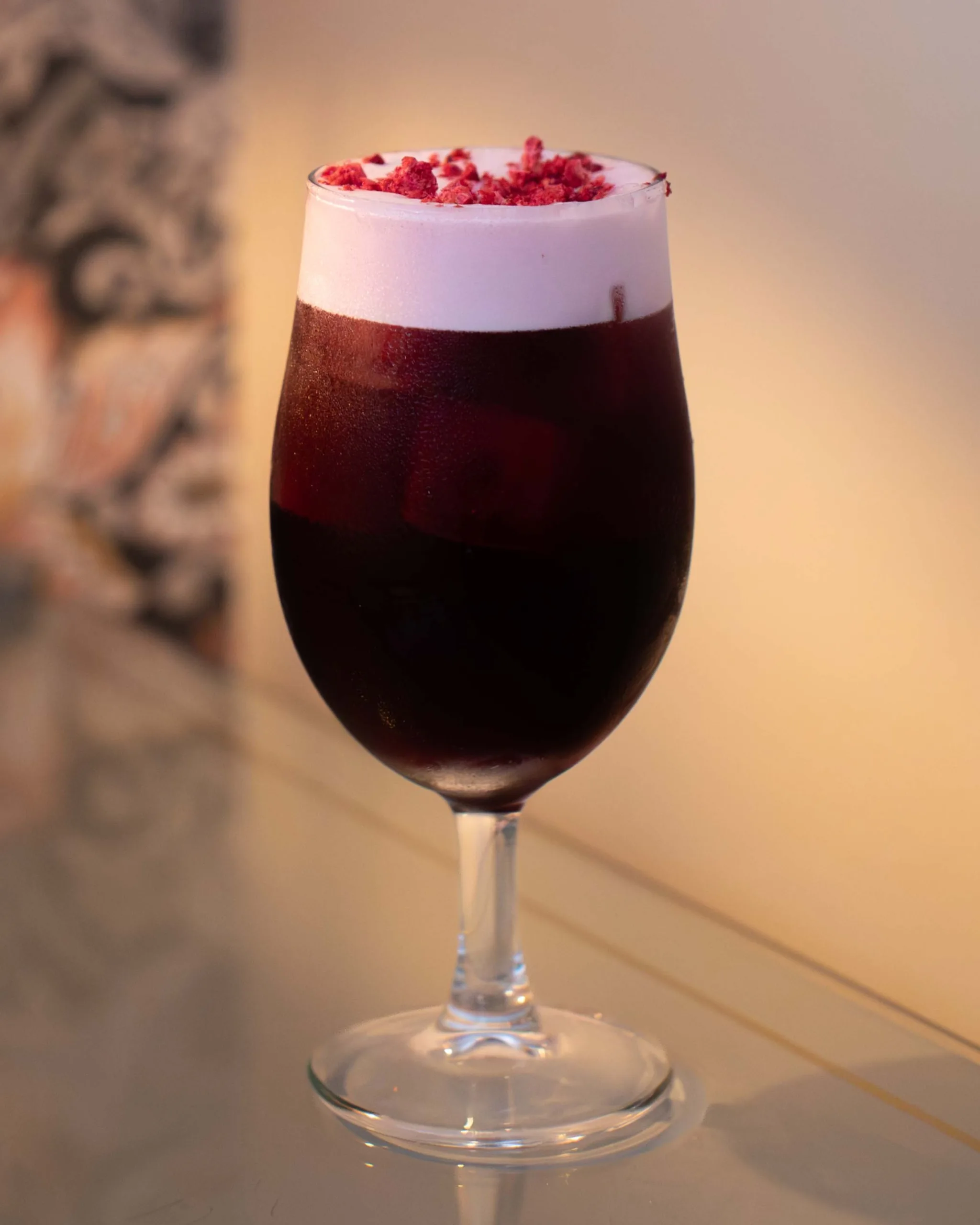
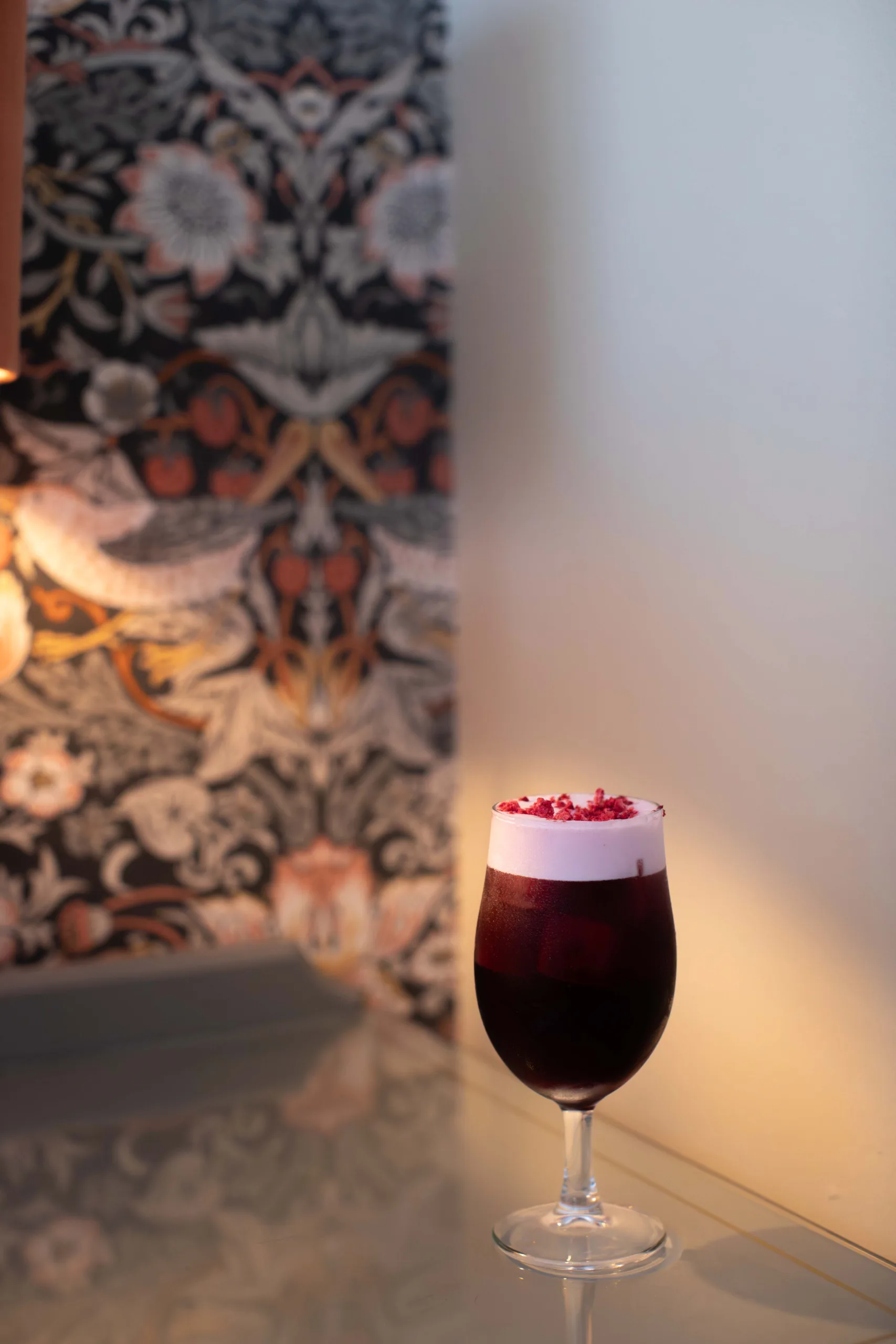
A deep red Malbec cocktail named for its eclipse-dark hue: dark berry wine, bright raspberry vodka, soft peach schnapps and tart pomegranate syrup, rich, fruity and glowing garnet.
Cocktail Type
Cocktail Style
Non Alcohol Contents
Added Content
Blood Moon Cocktail
Poured, the Blood Moon Cocktail earns its name before it’s even reached the lips — a deep, glowing garnet red, closer to the dark totality of a lunar eclipse than to any everyday glass of wine. That colour comes from Malbec, and it’s Malbec that speaks first on the palate too: dark plum and blackberry, a touch of black cherry, with the faint peppery spice and soft tannin grip that mark out a good Malbec from a thinner red. It’s a substantial, grown-up opening, more like sipping a glass of wine than a cocktail, which is exactly the point — the wine isn’t a mixer here, it’s the backbone.
Raspberry vodka moves in next, and it shifts the register rather than simply sweetening it. Where the Malbec sits dark and brooding, the raspberry cuts through with something brighter and more tart, a fresh berry lift that keeps the wine from feeling too heavy or static. It doesn’t compete with the Malbec’s fruit so much as sharpen it, pulling the same broad “dark berry” character into sharper, more vivid focus and giving the drink a liveliness a glass of wine alone wouldn’t have.
Then Archers folds in underneath, its soft, peachy sweetness and faint floral note working almost like a bridge between the two darker fruits. It’s a gentler, paler flavour than either the Malbec or the raspberry vodka, and its job is really one of rounding — taking the edge off the wine’s tannin and the vodka’s tartness, and adding a gentle warmth that keeps the whole thing from feeling austere. It’s a small amount doing a quiet, supporting job rather than announcing itself.
Pomegranate syrup closes the drink out, and it’s doing double duty: deepening that already dramatic red toward something closer to blood-dark, and adding a final layer of tart-sweet jewel fruitiness that ties the raspberry and the Malbec’s dark berry notes together. The finish is long, wine-rich and faintly tannic, with the pomegranate’s tartness the last thing to fade — a moody, dramatic drink built for candlelight and drawing nights rather than a bright summer terrace.
Wine-based cocktails have a much longer pedigree than most drinkers assume. Long before “wine cocktail” was a menu category, wine was routinely mixed with fruit, spirits and sweeteners to stretch it, soften it or simply make it more interesting to drink — a tradition that runs from the spiced, diluted wines of the Roman world through to Iberian sangria, which by the eighteenth century had settled into the familiar formula of red wine, fruit and a splash of something stronger. The Blood Moon Cocktail sits squarely in that lineage: a bold red wine given lift and structure by fruit liqueur and spirit, rather than a wine dressed up as a novelty.
The wine doing the work here, Malbec, has its own distinct journey to this glass. The grape originated in South West France, particularly around Cahors, where it was long prized for its deep colour and firm structure — French winemakers of earlier centuries sometimes called it the “black wine” of Cahors for exactly the dark, saturated character this cocktail leans on.
Malbec crossed the Atlantic in the mid-nineteenth century, when French agronomist Michel Aimé Pouget was invited to Mendoza, Argentina to help modernise the country’s vineyards, and it was there, in Mendoza’s high-altitude, sun-drenched vineyards, that the grape truly found its second home. Argentine Malbec now defines the variety for most of the world, prized for exactly the ripe dark fruit and gentle spice that anchors this drink.
The cocktail’s name draws on something older still: the blood moon itself, the deep red colour a full moon takes on during a total lunar eclipse, when Earth’s shadow blocks direct sunlight and only long, red-shifted light bent through the atmosphere reaches the lunar surface — the same effect that colours a sunset. Blood moons have carried outsized cultural weight for millennia, read as omens across ancient and medieval societies from Mesopotamia to Europe, and that same dramatic, slightly ominous colour is exactly what this cocktail is built to evoke: a glass as deep and glowing red as the eclipsed moon it’s named for.
There are no reviews yet. Be the first one to write one.