Cherry Daiquiri Cocktail
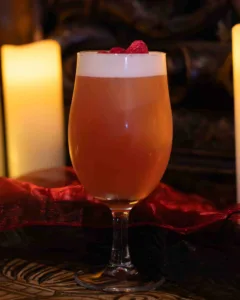
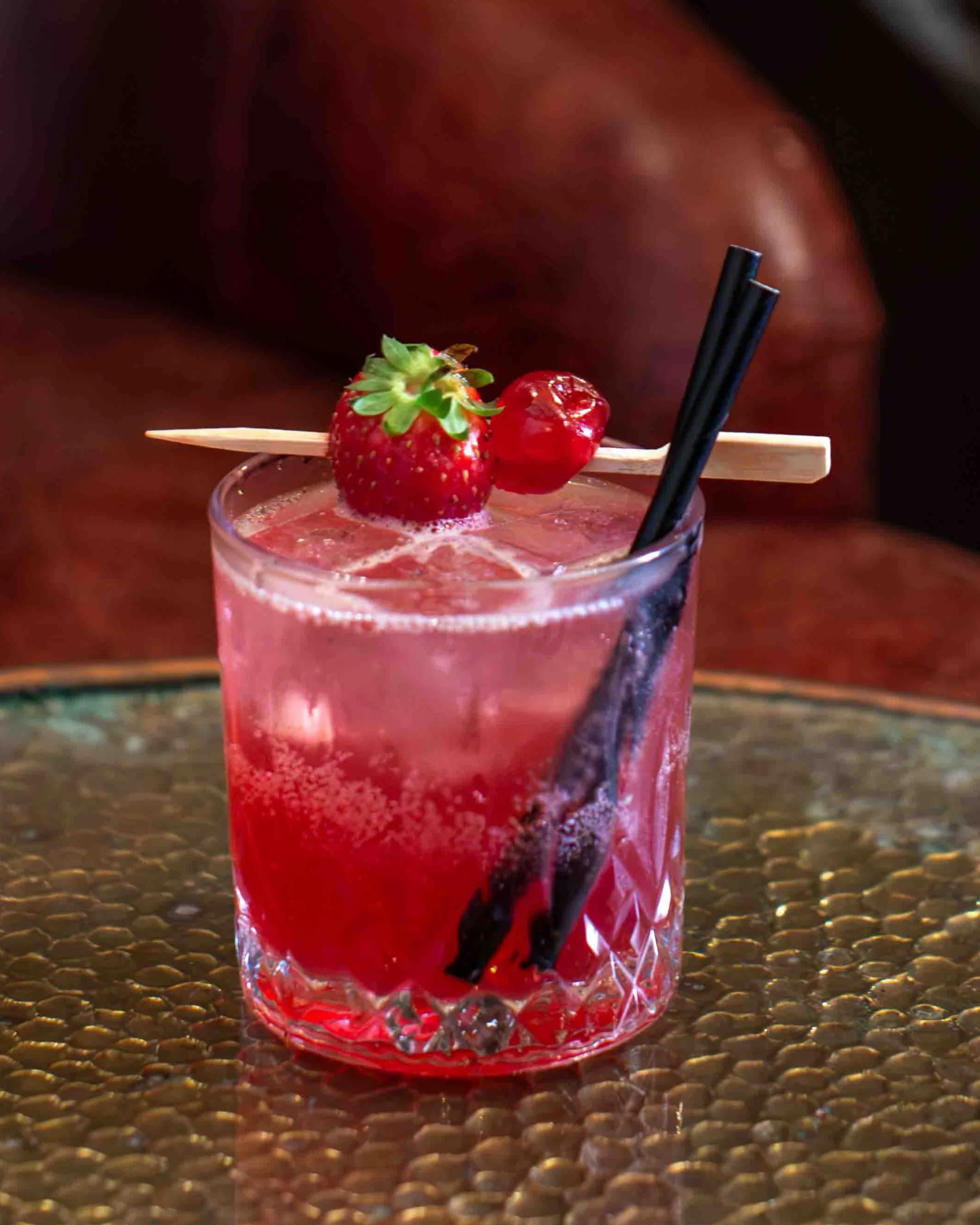
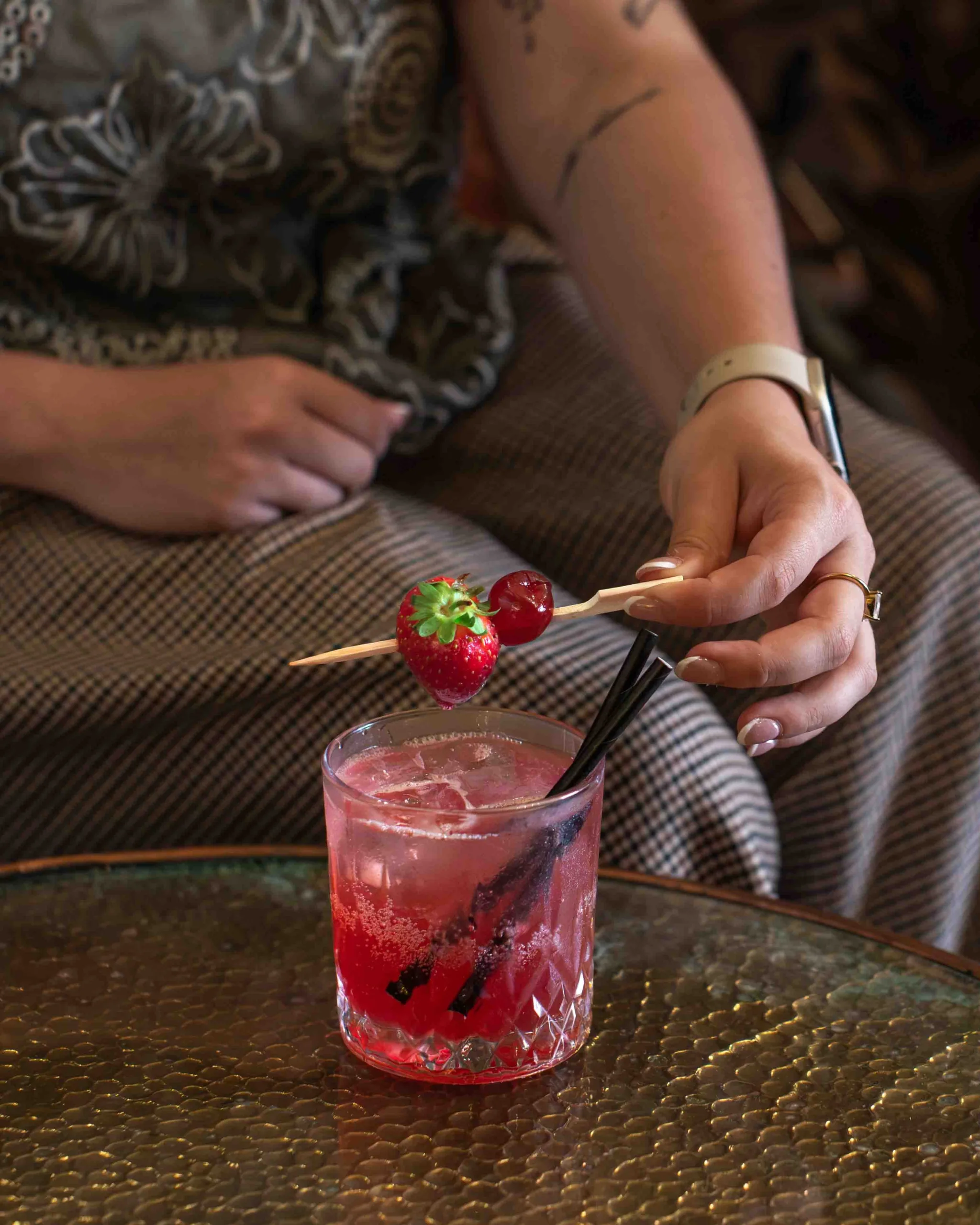
A classic Cuban daiquiri lifted by dark cherry: sharp lime and sugar, ripe black cherry depth, and warm rum, hard-shaken and ice-cold, finishing short, clean and fruity.
Cocktail Type
Cocktail Style
Alcohol Contents
Non Alcohol Contents
Added Content
Cherry Daiquiri Cocktail
The first impression is lime, sharp and clean, hitting the front of the tongue before anything else gets a word in. It’s properly tart rather than polite about it — the kind of citrus that makes you sit up a little — and it’s this brightness that sets the tone for everything that follows. Underneath it, sugar arrives just in time to round the edges off, so the sourness never tips into harshness. It’s a fast, confident opening, over almost before you’ve registered it, and it primes the palate for the fruit still to come.
Then the cherry moves in, and it isn’t the sticky-sweet maraschino note most people expect. This is darker and more serious, closer to ripe stone fruit than confectionery, with a faint bitterness lurking at the edges — more black cherry than glacé. It doesn’t try to dominate the lime so much as sit alongside it, adding weight and a kind of dusky richness that keeps the drink from feeling one-dimensional. There’s a moment, mid-sip, where the two fruits seem to trade places, tart giving way to dark-sweet and back again.
The rum is the quiet one here, working from underneath rather than announcing itself. It’s warm and faintly grassy, more a texture and a background hum than a flavour you could isolate and name. Its job isn’t to compete with the fruit but to give the whole drink some backbone — a base note that keeps the lime and cherry from feeling thin or two-dimensional, and reminds you, if only in passing, that this is a spirit-forward drink and not a fruit cordial.
Served hard-shaken and properly cold, it drinks quickly — cold enough to blunt any sharp edges, light enough to invite another sip almost immediately. The finish is short and clean, with the cherry the last thing to linger, a faint dark note that fades just as the glass starts to feel too light in your hand.
The daiquiri was born in Cuba in the early 1900s, named after the iron-mining town near Santiago de Cuba where the American mining engineer Jennings Cox is said to have improvised the drink around 1900, mixing local rum with lime and sugar when he ran short of the gin he’d meant to serve. The story has almost certainly been polished by a century of retelling, but it captures something true about the drink’s character all the same: it was built out of necessity from what Cuba already did well, good sugarcane rum and good limes, rather than designed as a showpiece.
American visitors carried the recipe home during the early twentieth century, and it found firm ground in the United States through the 1920s and 30s, a period when Prohibition sent plenty of thirsty travellers south to Havana in search of a legal drink. No one did more for the daiquiri’s reputation than Ernest Hemingway, whose long devotion to El Floridita in Havana — and to his own sugarless, double-strength version, later nicknamed the “Papa Doble” — helped fix the drink in the public mind as a serious, spirit-forward pour rather than a sweet holiday cocktail. By the time Prohibition ended, the daiquiri had crossed fully into American bar culture, turning up on menus from Havana to New York.
As its popularity grew, bartenders began working other fruits into the daiquiri’s simple lime-and-sugar frame, and cherry was among the earliest and most persistent additions, showing up in cocktail guides as far back as the 1930s and 40s. The cherry daiquiri kept faith with the original’s structure of rum, lime and sugar while giving bartenders a choice in style: sweeten it toward the familiar maraschino note, or steer it, as the better bars did, toward the darker, more serious flavour of black cherry. That choice still marks the line today between a drink built for easy sweetness and one that stays closer to the daiquiri’s roots as a spirit-forward sour with fruit at its edges rather than its centre.
There are no reviews yet. Be the first one to write one.